
Welcome to Hassan
Hassan is a city and district headquarters in Karnataka, India, named after the goddess Hasanamba. Often called the "Gateway to Hoysala Architecture," Hassan is renowned for its rich history, magnificent temples, and stunning natural landscapes.
Located approximately 180 km from Bangalore and 50 km from Mysore, Hassan serves as the perfect base for exploring some of India's most remarkable heritage sites, including the world-famous Chennakeshava Temple at Belur and the Hoysaleswara Temple at Halebidu.
The district is blessed with the lush greenery of the Western Ghats, sprawling coffee estates in Sakleshpur, and serene water bodies like the Hemavathy River and Gorur Dam. Whether you're a history enthusiast, a spiritual seeker, or a nature lover, Hassan offers something truly special.
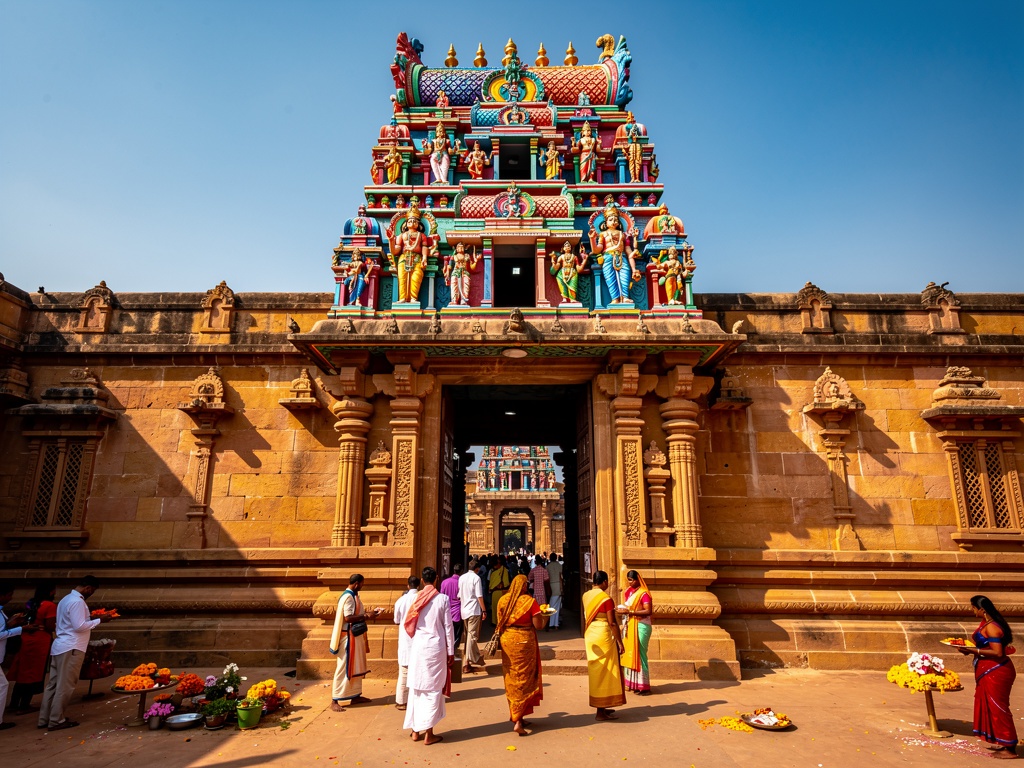
A Glorious Legacy
Hassan's history is deeply intertwined with the Hoysala Empire, which ruled much of Karnataka between the 10th and 14th centuries. The Hoysala kings were great patrons of art, architecture, and culture, leaving behind a legacy of breathtaking temples that are celebrated worldwide for their intricate craftsmanship.
The region also holds immense significance for Jainism. Shravanabelagola, with its 57-foot monolithic statue of Gommateshwara (Bahubali), has been a major Jain pilgrimage center for over a thousand years. The statue, erected in 983 AD, is one of the tallest free-standing statues in the world.
In more recent history, Hassan was part of the Kingdom of Mysore under Tipu Sultan, who built the unique star-shaped Manjarabad Fort. The British colonial period added another layer to the region's architectural diversity, exemplified by the Gothic-style Shettihalli Rosary Church.
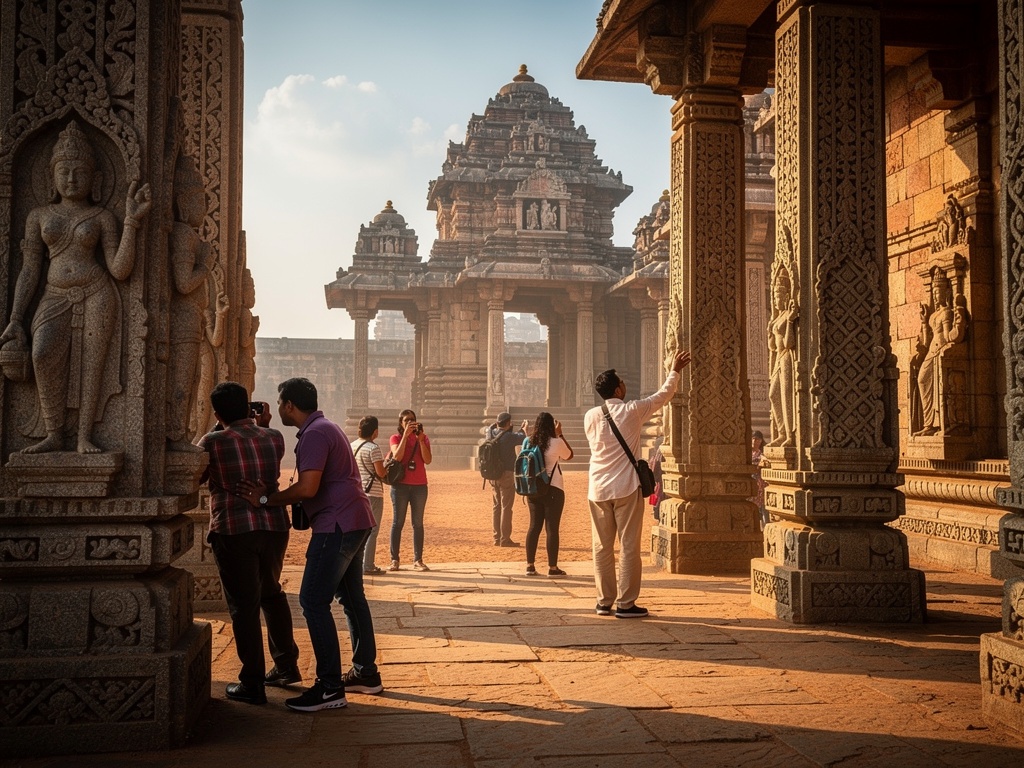
Where Nature Thrives
Hassan district spans an area of approximately 6,800 sq km and is located at the confluence of the Maidan (plains) and Malnad (hill) regions of Karnataka. The western part of the district, including Sakleshpur and Bisle Ghat, falls within the Western Ghats — a UNESCO World Heritage Site and one of the world's eight hottest biodiversity hotspots.
The climate is pleasant for most of the year. Summers (March–May) are warm but not extreme. The monsoon season (June–September) brings heavy rainfall, transforming the landscape into a lush green paradise. The best time to visit is from October to February when the weather is cool and ideal for sightseeing.
The Hemavathy River, a major tributary of the Kaveri, flows through the district and is dammed at Gorur, creating a scenic reservoir that supports agriculture and adds to the region's beauty.
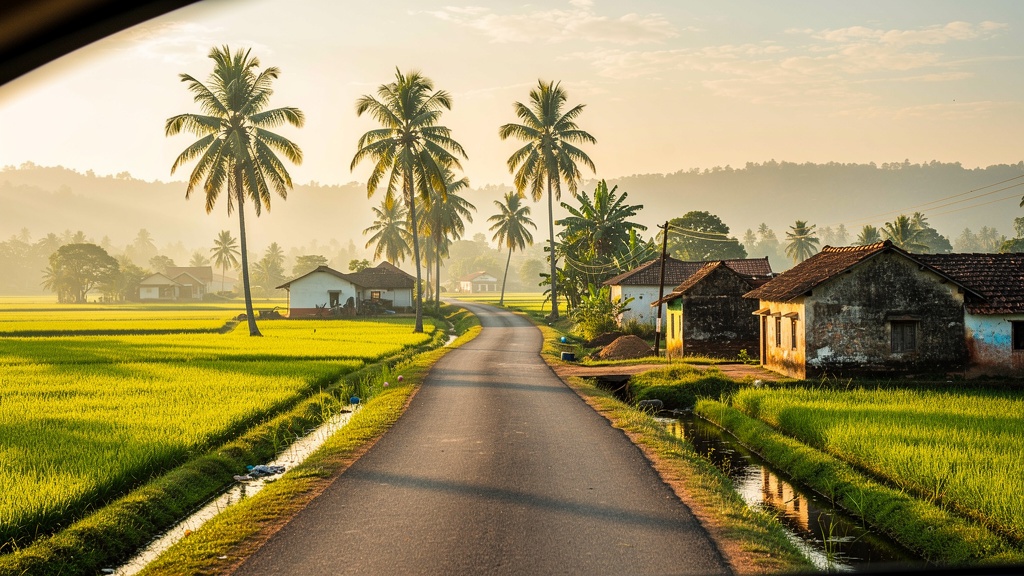
Traditions & Flavors
Hassan's culture is a vibrant blend of Kannada traditions, Hoysala heritage, and diverse religious influences. The region celebrates major festivals with great enthusiasm, including the Hasanamba Jatre (a grand fair at the Hasanamba Temple), Mahamastakabhisheka at Shravanabelagola (a spectacular Jain festival every 12 years), and various temple car festivals.
The local cuisine is quintessentially Karnataka, with a focus on vegetarian dishes. Don't miss trying Akki Roti (rice flatbread), Bisi Bele Bath (spiced rice-lentil dish), Kadubu (steamed rice dumplings), and locally grown coffee from Sakleshpur estates. The region is also known for its plantation spices and fresh produce.
Local arts include classical dance performances, Yakshagana (traditional folk theatre), and intricate wood carving — a craft that echoes the stone carving traditions of the Hoysala era.
